
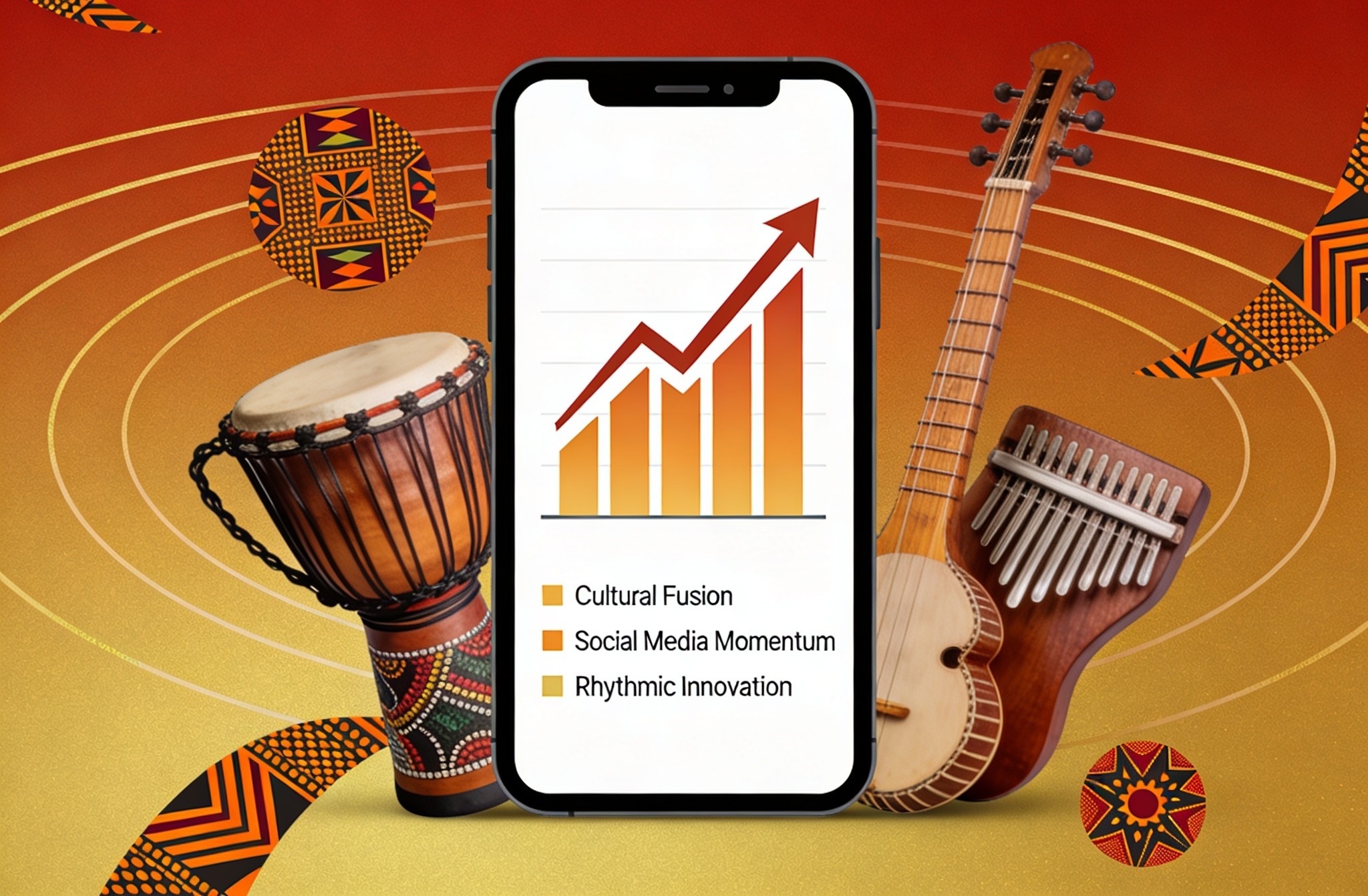
A few years ago, a song going viral depended heavily on radio stations, TV interviews, and major label budgets. Today, one catchy hook on TikTok, one dance challenge on Instagram Reels, or one unforgettable moment at a Nairobi club can launch an artist into millions of streams overnight.
Across Africa, we’ve watched songs explode from local streets to global playlists, proving that virality is no longer controlled by gatekeepers. But while some hits look accidental, there are clear patterns behind why certain songs dominate timelines while others disappear.
So what actually makes a song go viral?
Here are the biggest lessons from African music trends right now.
1. The Hook Matters More Than Ever
In the streaming era, artists have seconds to capture attention.
The songs that spread fastest usually have:
- A memorable chorus
- A repeatable phrase
- Easy-to-sing lyrics
- A rhythm people instantly recognize
Think about how many viral songs can be identified from just one line.
The strongest hooks are:
- Short
- Emotional
- Rhythmic
- Easy to repeat in videos and captions
A viral song doesn’t need complicated songwriting. It needs a moment people remember instantly.
2. Dance Culture Drives Discovery
Africa has always had strong dance culture, but social media amplified it globally.
One dance challenge can:
- Introduce a song to millions
- Create user-generated content
- Keep tracks trending for weeks
- Push songs into algorithm recommendations
TikTok and Instagram Reels reward movement-based content because it keeps people watching longer.
That’s why artists who think visually — not just musically — often grow faster.
When creating music today, artists should ask:
“Can people create content around this?”
If the answer is yes, the song already has viral potential.
3. Authenticity Beats Perfection
Many African hits succeed because they feel real.
Audiences connect with:
- Raw energy
- Local slang
- Real emotion
- Cultural identity
- Street influence
Listeners are becoming less interested in overly polished industry music and more attracted to authenticity.
Songs that sound connected to real life often spread faster because people feel emotionally attached to them.
That’s why local sounds from Nairobi, Lagos, Johannesburg, Accra, and Dar es Salaam continue crossing borders.
Culture travels.
4. Short-Form Content Is the New Radio
TikTok, YouTube Shorts, and Instagram Reels now influence music discovery more than traditional media for younger audiences.
Most viral songs succeed because:
- They work in 15–30 second clips
- The best part appears early
- The energy stays high
- The visuals feel shareable
Artists can no longer think only about the full song.
They also need to think about:
- Clip moments
- Meme potential
- Captions
- Challenges
- Fan reactions
The modern hit record is both a song and a content engine.
5. Community Creates Momentum
Virality rarely happens alone.
Behind most successful songs is a community:
- Fans reposting content
- DJs playing the track
- Creators making videos
- Friends sharing links
- Influencers reacting organically
African music scenes grow strongly through community support and local culture.
When people feel like they discovered something early, they become emotionally invested in pushing it further.
The audience becomes part of the marketing team.
6. Consistency Beats One-Time Hype
A viral moment can introduce an artist to the world.
But consistency is what builds a career.
Many artists go viral once and disappear because they:
- Stop releasing content
- Don’t engage fans
- Fail to build identity
- Depend on trends alone
The smartest artists use viral attention as a launchpad:
- Release follow-up music quickly
- Build strong branding
- Grow email and social communities
- Stay visible online
Attention is temporary. Brand-building lasts longer.
7. African Sounds Are Becoming Global
Afrobeats, Amapiano, Gengetone, Afro-fusion, and alternative African sounds are influencing global music culture.
What makes African music powerful globally?
- Rhythm
- Energy
- Emotional storytelling
- Unique production styles
- Strong cultural identity
The world is no longer looking at African music as a niche category.
It’s shaping mainstream culture.
Artists no longer need to copy Western trends to succeed. The more authentic the sound, the stronger the global reaction
Conclusion
Here at SoundVannah, we understand that a viral hit is not just a good song.
It captures the moment. Reflects culture. And drives content.
In Africa’s rapidly evolving creative scene, the next global hit could come from anywhere — a bedroom studio, a campus dorm room, or an underground session uploaded at midnight.
The question is no longer if African music will dominate global culture.
It’s who’s next.
Leave a Reply